Don't miss any news?
Sign up for our newsletter now
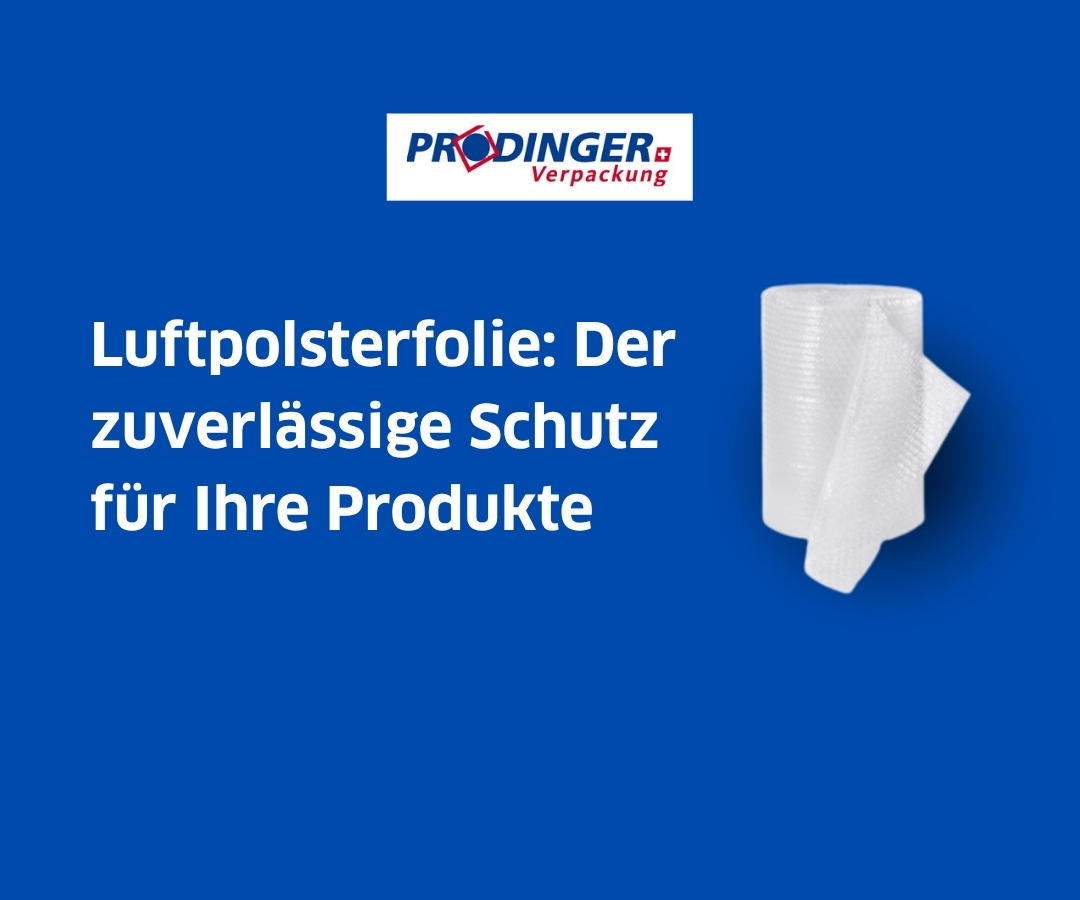
Bubble Wrap: Reliable Protection for Your Products
Bubble wrap is one of the most commonly used packaging materials in shipping and logistics. It reliably protects fragile products from bumps, scratches, and damage during transport, while also being lightweight, flexible, and easy to use.
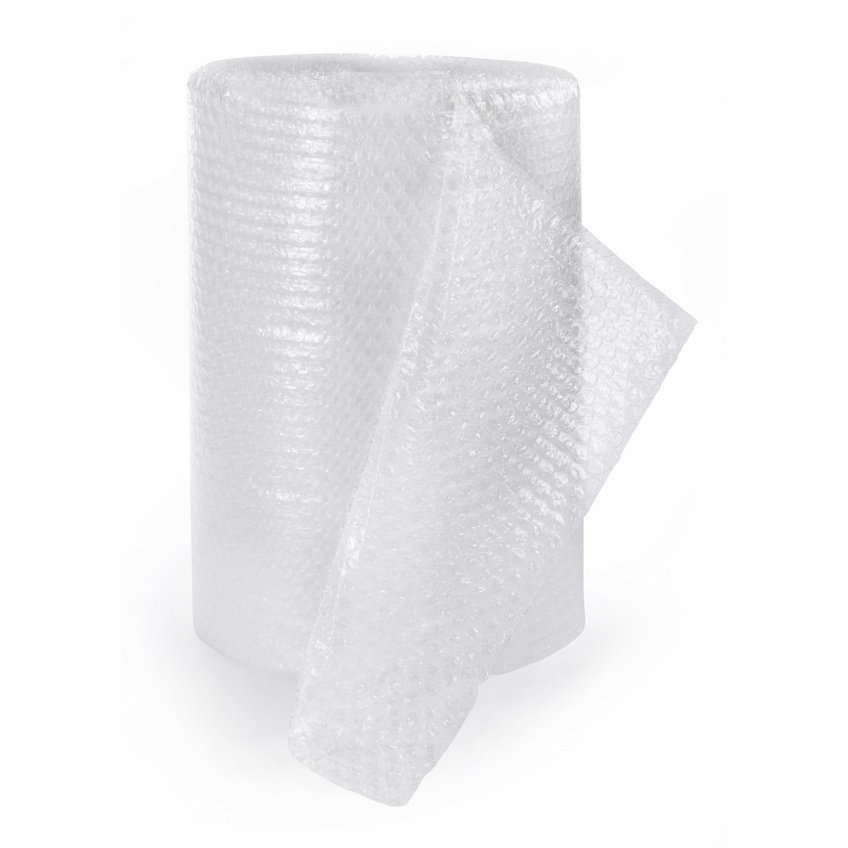
Whether you're shipping individual items or using it as part of a complex packaging solution, the right bubble wrap will protect your products efficiently and cost-effectively.
At PRODINGER Verpackung AG, you'll find a wide selection of bubble wrap for a wide variety of applications, available directly from stock and tailored to your needs.
Discover our selection of bubble wrap now:
https://www.prodinger.ch/online-shop/?_produkt_suche=luftpolsterfolie
What is bubble wrap, and what is it used for?
Bubble wrap consists of a plastic film with built-in air pockets. These small air pockets act as shock absorbers and reliably protect products from external influences.
Typical applications include shipping fragile goods, padding empty spaces in boxes, and protecting the surfaces of delicate products. Bubble wrap is an indispensable component, especially in industries with high standards for product protection, such as electronics, mechanical engineering, and e-commerce.
The Right Bubble Wrap for Your Application
Not all bubble wrap is the same. Depending on the application, the material thickness, bubble size, and finish vary significantly.
For lighter products, standard bubble wrap with small bubbles is often sufficient. It is flexible, easy to use, and ideal for everyday shipping. PE bubble wrap - 75µm 50cm wide - 100m/roll - Prodinger Verpackung AG
For heavier or particularly fragile items, we recommend using thicker bubble wrap with larger air pockets. This provides better cushioning and ensures added safety during transport.
Specialized variants, such as antistatic bubble wrap or solutions containing recycled materials, are also becoming increasingly important, particularly in light of legal requirements and a company’s own sustainability goals.
Why Bubble Wrap Proves Its Worth in Practice
Bubble wrap offers a combination of protection, flexibility, and cost-effectiveness that is difficult to replace in many applications.
Because of the low weight It adds very little to the shipping weight, thereby helping to reduce costs. At the same time, it can be Easily adapt to different product shapes and process quickly.
In many cases, it makes it possible to design more streamlined packaging without compromising safety. This reduces material usage and improves efficiency in the packaging process.
Sustainability in Bubble Wrap
LDPE bubble wrap (Low-Density Polyethylene) is a widely used packaging material in shipping and for securing cargo during transport.
LDPE is made from fossil fuels and is not biodegradable. At the same time, bubble wrap is material-efficient, since it consists mostly of air. Its light weight reduces transportation emissions compared to heavier packaging solutions.
A key factor is the Protection During Shipping: Bubble wrap can significantly reduce damage during shipping. Damaged goods cause additional emissions due to Replacement Production, Returns, and Disposal, which are often higher than those of the packaging itself.
LDPE film is technically recyclable (plastic code 4). In practice, this is Recycling of Plastic Films Possible. Collection, sorting, and contamination affect the actual recycling rate.
It is becoming increasingly available Bubble wrap containing recycled material:
- PCR (post-consumer recycled material) from household waste
- PIR (Post-Industrial Recyclate) made from production scraps
The use of recycled materials reduces the need for virgin materials and, depending on the basis for evaluation, can Carbon Footprint of Packaging improve. However, this also depends on the specific use case, availability, and individual quality requirements.
Eco Bubble Wrap – 75 µm, 75 cm wide – 100 m/roll – Prodinger Verpackung AG
One practical advantage is the Reusability of Bubble Wrap, particularly in logistics processes and returns.
LDPE bubble wrap is not sustainable packaging in the strict sense, but it can be made sustainable by High level of protection, low weight, use of recycled material, and reusability a functionally sound solution for shipping. The actual environmental impact depends heavily on usage, recycling, and material consumption.
Our selection of bubble wrap
At PRODINGER Verpackung AG, you can find bubble wrap in a wide variety of styles, tailored to your shipping and logistics needs.
These include, among others:
- Standard bubble wrap for everyday use
- Heavier-duty versions for heavy or delicate products
- Solutions Containing Recycled Content
- different roll widths and lengths
Click here to go directly to the product lineup:
https://www.prodinger.ch/online-shop/?_produkt_suche=luftpolsterfolie
More Than Just a Product: It's All About Proper Use
In practice, it is often the case that bubble wrap is not used optimally. It is either too much material used or the The padding is insufficient.
Proper application depends on several factors: product form, weight, transport route, and packaging process all play an important role.
Often, minor adjustments can lead to significant improvements, both in terms of protection and cost.
Our experts are here to support you with their expertise and will be happy to advise you.
Consulting for Optimal Packaging Solutions
At PRODINGER Verpackung AG, it's not just about supplying bubble wrap. Our goal is to work with you to The best solution for your packaging process to find.
We analyze your needs, evaluate existing solutions, and show you how to optimally balance material usage, efficiency, and sustainability.
- Get advice now: +41 61 335 90 00 / service@prodinger.ch
- Or order directly from the store: https://www.prodinger.ch/online-shop/?_produkt_suche=luftpolsterfolie
Conclusion: Using Bubble Wrap Correctly
Bubble wrap is a tried-and-true packaging material that is indispensable in many applications. However, it is not just the material itself that is crucial, but rather the Proper Selection and Use.
Those who choose the right solution will benefit from better product protection, more efficient processes, and lower costs in the long run.
Frequently Asked Questions About Bubble Wrap
Which type of bubble wrap is the right one?
The choice depends on the product, its weight, and the level of protection required. Lightweight products require less padding than heavy or fragile items.
Is bubble wrap recyclable?
Many products are recyclable or already contain recycled materials. Proper disposal is important.
How much bubble wrap do I need?
That depends on the packaging and the level of protection required. The goal is always to provide adequate protection using as little material as possible.
Which side of the bubble wrap goes on the inside?
The air cushions are usually Inward toward the product.
This provides optimal protection for the delicate surface, and the shock absorption acts directly on the product.
Which type of bubble wrap is best for fragile items?
For delicate items such as electronics or painted surfaces, we recommend a finely dimpled or antistatic bubble wrap. This protects against scratches and also reduces the risk of electrostatic buildup.
Is there bubble wrap made with recycled materials?
Yes, there are now types of bubble wrap with Recycling Rate or from resource-efficient manufacturing. However, it is always important to consider the big picture: Well-chosen packaging reduces damage during transport and thus also conserves resources.
Can bubble wrap be reused?
In many cases, yes.
If the air pockets remain intact, bubble wrap can often be reused multiple times, especially for internal shipping or returns processing.
How do I store bubble wrap properly?
Bubble wrap should be stored in a dry place and protected from direct sunlight. High temperatures or UV radiation can cause the material to become brittle over time.
What role does bubble size play in bubble wrap?
The size of the air pockets affects the protective effect. Small bubbles are suitable for light and fragile products, while large bubbles provide more cushioning for heavy goods.
Can bubble wrap be processed using machines?
Yes, bubble wrap can be processed both manually and by machine. In larger businesses, it is often Dispensers, cutting systems, or automated packaging solutions used.
Is bubble wrap suitable for heavy items?
Yes, with the right thickness. For heavier products, thicker films with larger air pockets should be used to ensure adequate protection.
What are some alternatives to bubble wrap?
Alternatives include, for example, paper padding PAPERplus GE Classic Paper 80/80 g, 2-ply, 60 cm x 280 m – Prodinger Verpackung AG, foam sheets PE foam sheet – 1 mm thick, 1,000 mm wide – 500 m/roll – Prodinger Verpackung AG or other filling materials Pelaspan white loose-fill S-shape cushioning material, 500 ltr. bag - Prodinger Verpackung AG. Whether these are appropriate depends largely on the product and the requirements for protection and sustainability.
How can I reduce my use of bubble wrap?
Consumption can often be reduced by better tailoring the packaging—for example, by using more appropriate box sizes, targeted cushioning, or optimized packaging processes.
Why does shipping damage occur even when bubble wrap is used?
Often, this isn't due to the material itself, but rather to how it's used. Insufficient padding, incorrect placement, or inappropriate box sizes can significantly reduce the protective effect.